
Most people planning a trip abroad focus primarily on flight tickets, hotel reservations, and travel itineraries. However, real risks often begin after this stage. Unexpected medical situations, accidents, or logistical issues during a trip can lead to serious financial expenses. This is exactly where travel insurance plays a crucial role by helping manage the hidden risks of travel.
Travel insurance is a specialized type of insurance that provides financial protection against risks that may arise during a trip. It is not limited to illness or accidents, but can also cover trip disruptions, flight delays, baggage loss, and other logistical problems. This shows that travel insurance is not only about health protection but also an essential part of overall travel security.
The cost of medical services abroad is significantly higher compared to local markets. For example, even a basic medical check-up in European countries can cost hundreds of euros. In countries like the United States, this amount can rise to thousands of dollars. Especially in cases of emergency care, hospitalization, or surgery, these costs can turn into a serious financial burden. Therefore, travel insurance is not just a formal requirement, but a real risk management tool.
The main advantage of travel insurance is that in unexpected situations during your trip, the financial burden does not fall entirely on you. The insurance company covers these expenses within predefined limits, protecting you from serious financial losses and providing peace of mind. This becomes especially important during long-term trips or when traveling with family.
The coverage of travel insurance depends on the selected package, but generally includes medical expenses, emergency services, medication coverage, hospitalization, and in some cases repatriation costs. In addition, certain plans may cover flight delays, baggage loss, or trip cancellations. This allows travelers to benefit from a more comprehensive and flexible protection system.
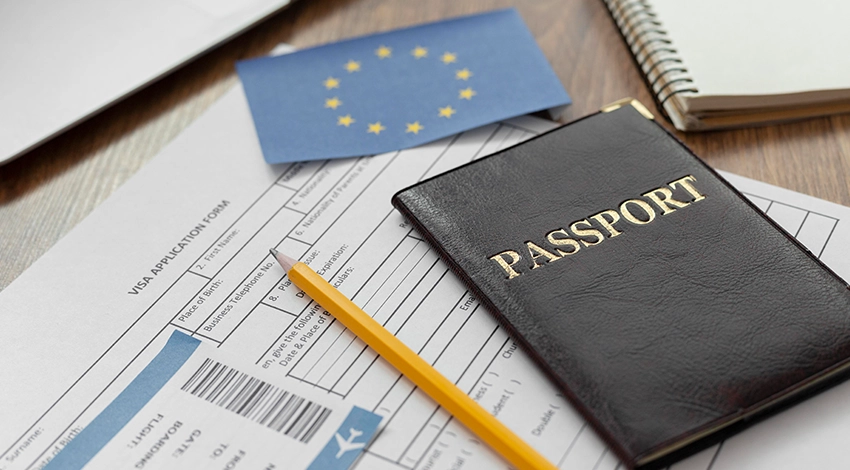
In many countries, especially within the Schengen zone, travel insurance is a mandatory requirement. To obtain a visa, insurance with a minimum coverage limit is required. This reflects both the risk management policies of those countries and their efforts to ensure the safety of travelers. However, the importance of insurance goes beyond obligation — it is a key factor in ensuring a smooth and secure travel experience.
Focusing only on price when selecting insurance is not the right approach. Key factors to consider include coverage limits, scope of protection, deductible terms, and the geographic validity of the policy. Additionally, the responsiveness and service quality of the insurance provider are critical, as fast support in emergencies can be essential.
Travel insurance is no longer an optional add-on but an integral part of a well-planned trip. It helps manage unexpected risks financially and protects you from additional stress. Especially in 2026, with increasing travel frequency and global uncertainties, this type of insurance has become even more relevant.
If you are planning a trip, one of the first steps should be to buy online travel insurance options. For this, 👉 Buy Online Travel İnsurance to choose the most suitable option for your trip.
Remember, the right travel insurance is not just an expense — it is a guarantee of a safe and comfortable journey.